Avoid Barnet fines: Pavement & parking rules for Mill Hill Moves
Posted on 06/07/2026
Moving home in Mill Hill sounds simple enough until the van arrives, the street narrows, and suddenly every kerb, dropped pavement, and parked car matters. If you want to avoid Barnet fines: Pavement & parking rules for Mill Hill Moves is the topic that can save you from a stressful morning, a delayed schedule, and a very awkward conversation with a driver staring at a windscreen ticket. Truth be told, the rules around parking, loading, pavement access, and local obstruction risks are often where otherwise smooth moves go sideways.
This guide breaks the problem down in plain English. You will get a practical view of how local parking and pavement restrictions affect removals in Mill Hill, what usually causes penalties, how to plan loading safely, and which habits help you keep the move efficient without cutting corners. It is written for real moving days, not idealised ones. The kind where the mattress is awkward, the road is busy, and someone is asking where the second box of kettle bits has vanished to. Lovely.
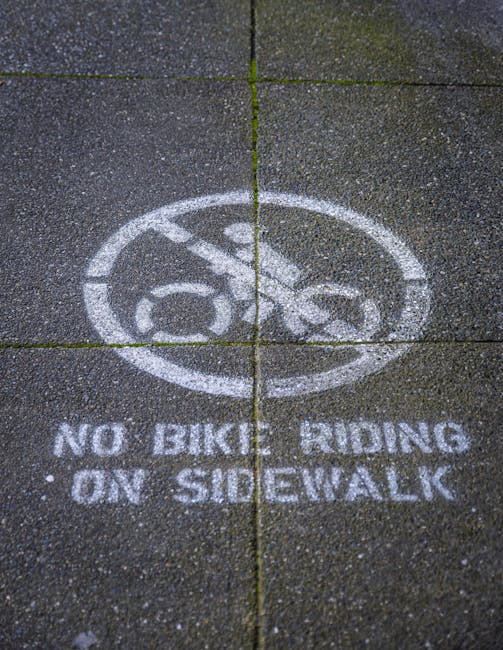
Why avoiding Barnet fines matters for Mill Hill moves
At first glance, a parking penalty may look like a nuisance rather than a serious issue. But in a move, it can snowball quickly. One wrong stop can block a resident bay, upset a neighbour, slow down carry distances, or force the crew to park far from the property. That adds time, effort, and often cost. If the road is tight, even a small mistake can ripple through the whole day.
Mill Hill has the usual London mix of residential streets, shopfronts, flats, and busier routes around main access points. That means parking logic changes from one address to the next. On one side street, a short stop might be fine if loading is active and the vehicle is positioned considerately. On another, you may need to plan for controlled parking, timed restrictions, or a bay that simply is not suitable for a van. The point is not to panic. The point is to plan.
It is also worth remembering that pavement rules are not just about tickets. They are about safety and access. A van partly over the footway, a mattress left leaning where people walk, or a trolley that blocks pushchairs can create complaints very quickly. In a dense area like NW7, you really do not want to be the move that caused the kerfuffle on a Tuesday morning.
Expert summary: The safest Mill Hill move is the one that protects access, respects local restrictions, and leaves enough room for people, vehicles, and the moving team to work without improvising on the pavement.
If your move involves bulky items, awkward access, or a tight timetable, it helps to read practical planning content such as declutter planning before a big move and expert packing tips for a smoother moving process. Less clutter usually means fewer carry trips, which is good for both the schedule and the parking situation.
How avoiding Barnet fines: Pavement & parking rules for Mill Hill Moves works
The basic idea is straightforward: the van should stop only where it can load safely, legally, and without causing unnecessary obstruction. In practice, the challenge is deciding what is permitted, what is tolerated for loading, and what will attract attention if you get it wrong. This is where a careful move plan beats guesswork.
For removals, the most common issues are usually these:
- Stopping in a controlled bay without checking the conditions attached to it.
- Parking too close to a junction, crossing, dropped kerb, or access point.
- Using the pavement for storage or passage when people still need to walk through.
- Leaving the vehicle in a position that blocks traffic, bins, or emergency access.
- Assuming a quick unload means a rule does not apply.
That last one catches people out more often than they expect. "We were only there for ten minutes" is not much comfort if the stop was not appropriate. The same goes for the footway. A very short stop can still be a problem if it forces pedestrians into the road or damages the surface. To be fair, most moving-day headaches begin with a well-meaning shortcut.
In areas with flats, shared access, or narrow residential roads, the move often works best when the van is treated as a temporary work zone rather than a casual park-anywhere vehicle. You need a sensible unloading position, a clear route to the door, and enough space for dollies, boxes, and people moving in both directions. If the property is near busier corridors, you may also need to think about timing. Early morning can be calmer. Midday can be chaos. You know how it goes.
For people dealing with tighter access, this is where local removal planning matters. Pages like access advice for NW7 removals near Mill Hill Broadway Station and what to expect from moving restrictions on the Broadway are useful because they reflect the reality that not every address behaves the same way.
Key benefits and practical advantages
Getting the pavement and parking side right does more than protect you from fines. It improves almost every part of the moving day.
- Less delay: the crew can load and unload without constantly repositioning the van.
- Lower physical strain: shorter carry distances reduce the chances of awkward lifts and extra trips.
- Fewer neighbour complaints: keeping walkways open avoids needless friction.
- Safer handling: a proper loading zone gives the team more room to move large items carefully.
- Better cost control: fewer delays usually mean fewer billable hours and less risk of added parking-related charges.
There is a hidden benefit too: confidence. When the parking plan is sorted, the rest of the day feels less brittle. People stop improvising. Boxes go where they should. The driver is not circling the block. And the whole process tends to feel, well, human again rather than like a scramble.
If you are moving a sofa, bed, freezer, or other awkward item, small access changes can make a big difference. It is often worth reviewing storage and item-handling guidance such as sofa preservation and storage tips, bed and mattress transport steps, and how to store a freezer when it is not being used. Those details matter when kerb access is tight and every metre counts.
Who this is for and when it makes sense
This guidance is for anyone moving within Mill Hill, out of Mill Hill, or into the area and trying to avoid expensive day-of surprises. It is especially relevant if:
- you are moving from a flat with limited street access;
- your home is on a narrow road or near busier junctions;
- you have large furniture, appliances, or fragile items;
- the move is happening during school run times or commuter peaks;
- you are using a man and van service or a larger removal vehicle;
- you want to keep the move efficient without taking avoidable risks.
Students, families, landlords, and office movers all face the same basic issue, just in different forms. Students often need quick turnarounds and lightweight but numerous boxes. Families usually have a mix of furniture and daily-life clutter. Offices can run into loading constraints, reception access, and strict timing windows. The exact setup changes, but the logic is the same: parking and pavement access need to be planned before the van arrives.
If you are in a time-sensitive situation, say a same-day completion or a last-minute key handover, it may also help to look at urgent removals and same-day availability in Mill Hill. When the clock is already tight, there is less room for parking guesswork. Not much, anyway.
Step-by-step guidance
1. Map the access before the van is booked
Start with the street itself. Is it narrow? Are there resident bays, yellow lines, school markings, loading restrictions, or a single obvious spot where a van can pause? You do not need to become a parking enforcement specialist. You do need to understand whether the property can be served cleanly by the vehicle type you intend to use.
A good practical habit is to stand outside the property at the same time of day the move will happen. Morning traffic feels very different from an early afternoon calm. What looks fine at 9 a.m. can be a bottleneck by 11:30.
2. Identify the loading route from van to door
Look at the path from the curb to the entrance. You want the shortest safe route, not the absolute shortest route. Steps, low walls, tight corners, garden gates, and shared entrances all add friction. If a trolley or sack truck is needed, check whether the surface can handle it.
If the route crosses a pavement, make sure pedestrians can still pass. Do not use the footway as a dumping strip. That is one of the quickest ways to turn a small issue into a complaint.
3. Decide whether the vehicle can stop legally and safely
In some cases, a van can load only in a nearby bay or a designated stopping point, with the team carrying items a little further. In other cases, the vehicle can pause outside the property, but only for a short, active loading period. The right answer depends on the location and the restrictions in force there.
What you should not do is assume the driver will "just chance it". That attitude tends to become expensive. Also, drivers can be the ones left dealing with the ticket, which is not fair if the issue was avoidable.
4. Keep the pavement clear for people
Footway safety is not a small detail. Keep boxes stacked away from the pedestrian line. Avoid leaving items resting where someone could trip, even if only for a minute. If children, older residents, or people with prams are nearby, the margin for error disappears fast. A move should not feel like an obstacle course.
5. Time the loading window sensibly
Try to avoid peak congestion if you can. Early starts often work better because there is less commuter traffic, fewer passing vehicles, and more space to breathe. If the street serves shops, deliveries, or a school, timing becomes even more important.
When the schedule is tight, pack and stage items so the most important pieces come out first. That way, the van can depart sooner if needed rather than sitting on the street with half the home in limbo.
6. Keep proof and notes where useful
It is sensible to keep a note of the arrival time, the chosen stopping point, and any access issue you have already considered. This is not about turning the move into paperwork theatre. It is about having a record if there is a question later about what happened and when.
If you are unsure how the whole moving day should be sequenced, how to transition homes without the stress offers useful planning insight, especially if you are juggling keys, cleaners, children, or a completion deadline.
Expert tips for better results
Small improvements make a large difference on move day. A few practical habits we consistently recommend:
- Stage items indoors first: keep boxes and furniture close to the exit before the van arrives.
- Use a spotter: one person watching traffic and pedestrians can prevent awkward last-second manoeuvres.
- Protect the access path: if the route is muddy, wet, or slippery, lay down something suitable so feet and wheels do not slip.
- Separate fragile items: you do not want delicate boxes being rushed because the loading bay is only available for a short window.
- Choose a vehicle size that fits the street: sometimes smaller is smarter. Less glamorous, more practical.
Another useful habit is to group items by carry order. Heavy and bulky pieces first, then mid-weight furniture, then boxes. That keeps the crew moving efficiently and reduces the chance of congestion at the front door. If you are moving heavier pieces yourself, it is worth reading solo methods for lifting hefty items and the basics of kinetic lifting. Good lifting technique matters, obviously, but so does not making the route worse than it has to be.
And yes, one little self-aware truth: the best parking plan is the one that makes the rest of the move boring. Boring is good. Boring means the van is where it should be, the route is clear, and nobody is having a dramatic moment in the rain.

Common mistakes to avoid
Most parking and pavement problems come from a handful of repeat errors.
- Assuming loading gives unlimited freedom: it does not. Loading can still be subject to time, place, and safety limits.
- Parking too far from the entrance without planning for it: what looks like a short carry can become ten exhausting trips.
- Blocking the pavement with items or trolleys: this is poor practice and often avoidable.
- Ignoring neighbours and shared access: residents need to get through too.
- Leaving the van unattended in a risky position: quick can become costly.
- Forgetting that weather changes the plan: rain makes surfaces slippery and can slow everything down.
A more subtle mistake is overpacking the van schedule. If the unloading point turns out to be awkward, there is no spare time left to adapt. That is why we always say: build a little slack into the plan. Just a little. It helps.
For people trying to reduce volume before the move, getting your security deposit back with perfect cleanliness and bulk waste removal fees and clearances in NW7 can also be helpful reading. Less waste, fewer items, less pressure on the parking side of the day.
Tools, resources and recommendations
You do not need a huge toolkit, but a few items can make a real difference:
- Furniture blankets and straps: better protection and faster handling.
- Clear labels: especially useful when items are staged quickly near the door.
- Trolley or sack truck: only if the path is suitable and level enough.
- Gloves with grip: helpful for awkward boxes and wet surfaces.
- Door wedges or protectors: a small thing, but useful when doors keep swinging shut.
In terms of planning resources, the most useful ones are often internal rather than external: your move schedule, your property photos, your inventory, and any notes on access. If you are still choosing a removals format, the following pages can help frame the decision: services overview, removal services in Mill Hill, man with a van in Mill Hill, and removal van options in Mill Hill.
For storage-heavy moves, especially when timing and kerb access are awkward, it can also help to consider storage in Mill Hill and secure storage options near Mill Hill Broadway. Sometimes the smartest move is to split the job into two shorter, cleaner stages. Not exciting, but very effective.
Law, compliance, standards and best practice
Without getting too legal-heavy, the safest approach is to treat parking and pavement use as a compliance issue rather than a convenience issue. In the UK, road use, stopping, obstruction, and footway safety are governed by local and national rules that can vary by street and circumstance. That means the responsible move is to check the area rather than rely on assumptions.
Best practice usually means:
- parking only where stopping is permitted or reasonably tolerated for active loading;
- keeping access routes open for pedestrians, neighbours, and emergency use;
- avoiding damage to kerbs, paving, or street furniture;
- following any local parking signs, bay markings, or loading restrictions;
- using professional judgment where the street is tight or busy.
If you are hiring help, it is reasonable to expect a removals provider to think about access, lifting safety, and vehicle positioning as part of the job. That links closely with broader operational standards such as health and safety policy and insurance and safety guidance. In plain English: careful handling and careful parking go together.
For larger or more delicate jobs, such as offices, flats, or specialist items, there is often extra value in choosing a provider that already works with access constraints. For example, flat removals in Mill Hill, house removals in Mill Hill, and office removals in Mill Hill all bring slightly different access problems to the table. Different job, same need for good judgement.
Options, methods and comparison table
There is no single "best" way to handle parking and pavement access. The right method depends on the property, vehicle size, and how much needs moving.
| Approach | Best for | Pros | Trade-offs |
|---|---|---|---|
| Doorstep loading | Quiet streets with safe stopping space | Fastest carry, least fatigue | Only works where legal and practical |
| Nearby bay or legal loading point | Controlled parking areas | More compliant, often safer | Longer carry distance |
| Smaller vehicle | Narrow roads and tricky corners | Easier manoeuvring, less obstruction risk | May require more trips |
| Staged move with storage | Large or complex relocations | Reduces day-of pressure | Takes more planning and coordination |
For many Mill Hill moves, a staged approach wins. One van load into storage, another into the property, and the pressure drops. If that sounds more sensible than trying to cram everything into one frantic slot, you are probably right. The same principle often helps with items that are awkward or sensitive, such as pianos. If that is relevant, why DIY piano moving is risky is a useful reminder that not every heavy object should be treated like a standard box.
Case study or real-world example
A typical Mill Hill moving day might look like this: a family in a first-floor flat has a sofa, two beds, a freezer, and about thirty boxes. The street is residential, with limited on-street space and one bay near the entrance. The original idea was to let the van stop outside for a quick unload. That turned out not to be realistic once another car was parked in the prime spot and the footway became too tight for safe carry paths.
Instead of forcing it, the move was re-sequenced. The family staged boxes inside the hallway the night before, moved the freezer and bed components first, and used a nearby stopping point for the van. The carry distance increased a bit, yes, but the process stayed safe and calm. No one blocked the pavement. Neighbours still got through. And the team was not scrambling under pressure.
One small detail made a surprising difference: the boxes were labelled by room, which meant the unloading order was obvious. That saved time and reduced the number of people hovering around the doorway. You can almost feel the difference when a move has that kind of order to it. Less noise, less backtracking, fewer "where did we put the tape?" moments.
For furniture-heavy moves, related practical reading such as furniture removals in Mill Hill and removals in Mill Hill can help set expectations about how a professional move is usually handled when access is not straightforward.
Practical checklist
- Check parking signs and bay markings outside the property.
- Confirm whether the van can stop legally for active loading.
- Walk the route from van to door and remove obstacles where possible.
- Keep the pavement clear for pedestrians at all times.
- Stage boxes and furniture close to the exit before arrival.
- Use a smaller vehicle if the road is tight and manoeuvring is difficult.
- Plan for weather, school runs, and commuter traffic.
- Label fragile and priority items clearly.
- Keep doors protected and passageways open.
- Build a little time slack into the schedule, because things do happen.
Quick takeaway: good parking and pavement planning is not just about avoiding a ticket. It is about protecting your time, your belongings, your neighbours, and the shape of the whole moving day.
If you are comparing providers, the pages on removal companies in Mill Hill, man and van in Mill Hill, and same-day removals in Mill Hill can help you decide what level of support suits your timetable and access conditions.
Conclusion
Avoiding Barnet fines during a Mill Hill move is not about being overly cautious. It is about being practical. Good parking, sensible loading, and respectful pavement use make the whole day smoother, safer, and far less likely to attract complaints or penalties. Once you see it that way, the rules stop feeling like a nuisance and start feeling like a useful framework.
The best moves usually look unremarkable from the street. The van is placed well. The route is clear. People are not weaving around each other. And the job gets done without drama, which, let's be honest, is what everyone wants by late afternoon. If you are planning a move in or around Mill Hill, taking access seriously now will save you stress later. Small effort, big difference.
Get a free quote today and see how much you can save.