Moving Restrictions on The Broadway, Mill Hill: What to Expect
Posted on 26/05/2026
If you are planning a move along The Broadway in Mill Hill, the biggest surprises are usually not the boxes. It is the access. Delivery windows, parking, busy kerbs, narrow stretches, flats above shops, and the odd awkward turn can all change how a removal day feels in practice. That is exactly why understanding Moving Restrictions on The Broadway, Mill Hill: What to Expect matters before you book a van, lift a sofa, or start carrying things down three flights of stairs.
In plain English, this guide explains what typically affects moving day on The Broadway, why it matters, how to plan around it, and how to avoid the sort of last-minute stress that turns a straightforward move into a headache. We will also cover sensible preparation, common mistakes, and the best next steps if your property, timing, or load needs a bit more care than average.
Truth be told, most moving problems on busy high streets are predictable. Once you know what to look for, they become a lot easier to manage.

Why Moving Restrictions on The Broadway, Mill Hill: What to Expect Matters
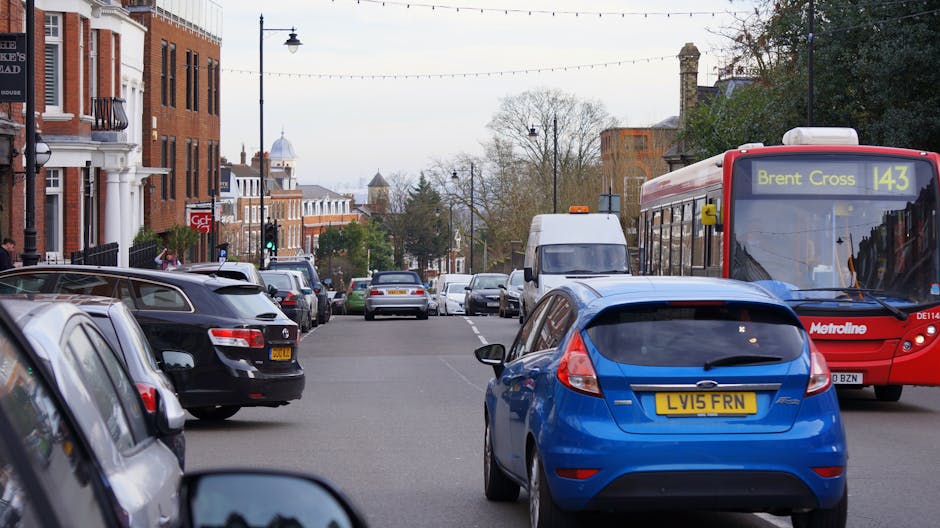
The Broadway is one of those places where day-to-day activity shapes moving logistics. Busy footfall, passing traffic, shopfronts, buses, parked cars, and limited waiting space can all affect how a removal vehicle accesses your property. If you are moving from a flat above a commercial unit, or into a home near a busier stretch, those details can matter more than the distance of the move itself.
Why does this matter so much? Because a move is rarely just about transporting items. It is about timing, access, and keeping everything safe while you work around real-world conditions. A narrow road or a no-waiting zone can mean longer carry distances. That, in turn, affects labour, time, and sometimes the kind of vehicle that will work best.
This is also where local knowledge earns its keep. A team that understands removals in Mill Hill can usually spot access issues early and help you avoid the sort of day where everyone is standing around, scratching their heads, wondering where the van can legally stop. Not ideal. Not fun.
For local residents, the main value is simple: fewer surprises, safer handling, and a smoother route from door to van. That matters whether you are moving a studio flat, a family house, a student room, or a business unit.
How Moving Restrictions on The Broadway, Mill Hill: What to Expect Works
There is no single universal rulebook for every property on The Broadway, because restrictions can depend on the exact location, the time of day, local traffic patterns, and the type of loading available outside your building. In practice, moving restrictions usually show up in a few familiar ways.
1. Parking and loading limits
You may find restricted stopping areas, time-limited bays, or places where a vehicle can only load briefly. If the removal van cannot park close enough, movers may need to carry items further. That sounds minor until you are moving a wardrobe or a mattress in and out of a busy street. Then it feels bigger, quickly.
2. Access shared with shops or other buildings
On mixed-use stretches, the same pavement may serve residents, customers, and deliveries all at once. That can mean careful timing is needed to avoid peak foot traffic. Early morning tends to feel calmer, while mid-morning and late afternoon can get noisy and cramped.
3. Stairwells, lifts, and tight internal routes
Even if the outside access is manageable, internal access can be tricky. Narrow staircases, old communal entrances, and small lifts often slow things down. If you are moving from a flat, the planning should start with the building layout, not just the address. A sensible flat removal in Mill Hill usually begins with that exact question: how do we get the larger items out without damaging walls, banisters, or tempers?
4. Time windows and coordination
Some buildings and landlords expect moves to happen within certain hours, especially where noise or shared access is an issue. Even when there is no formal rule, there may be an informal expectation to keep disruption low. A little coordination goes a long way here.
5. Special item handling
If your move includes a piano, a large sofa, a freezer, or a heavy bed frame, restrictions matter even more. These items are not just bulky; they are awkward to turn, protect, and carry through tight spaces. For a piano in particular, the advice in expert insights into piano moving is worth reading before you decide to improvise with a friend and a trolley. To be fair, pianos are where optimism and physics often part ways.
In short, the restrictions work by limiting where and when vehicles or movers can operate. Your job is to plan around that reality instead of hoping it will disappear on moving day.
Key Benefits and Practical Advantages
At first glance, moving restrictions can feel like an obstacle. But if you plan properly, they can actually improve the move. They force you to slow down, think through access, and avoid costly errors.
- Safer handling: fewer rushed carries, fewer collisions, fewer scuffed walls.
- Better scheduling: you can choose a time that works with traffic and access.
- More accurate quotes: the team can estimate labour and vehicle needs more realistically.
- Reduced delays: everyone knows where the van can stop and what happens if it cannot.
- Lower stress: a clear plan means less shouting across the pavement and fewer awkward pauses.
There is another benefit people do not always think about: better protection for your belongings. If the route from van to front door is long or awkward, items get handled more often. More handling means more chance of damage. Planning around restrictions reduces that risk.
For example, a well-packed move that uses packing and boxes in Mill Hill properly will travel far more smoothly than loose items thrown into whatever bag was nearest the door. Sounds obvious, but on a frantic moving morning, obvious can get ignored.
Who This Is For and When It Makes Sense
This topic is relevant to anyone moving on or near The Broadway, but some groups need the information more urgently than others.
- Flat residents: especially if you are on an upper floor or share a narrow entrance.
- Students: smaller moves still run into access issues, particularly during busy term dates.
- Households with large furniture: sofas, beds, wardrobes, and appliances need room to manoeuvre.
- Small business owners: office moves often involve equipment, stock, and tighter timing.
- Last-minute movers: if you need a quick turnaround, access planning becomes even more important.
If you are moving a short distance, you might assume restrictions do not matter much. They still can. A move across the road can take longer than a move across town if the loading point is awkward and the building access is fiddly.
That is why this also links naturally to services like same-day removals in Mill Hill, where time pressure and access limitations often show up together. When the clock is ticking, every minute of bad planning becomes very visible.
Step-by-Step Guidance
If you want a smoother move on The Broadway, the safest approach is to plan in stages. Not everything at once. That is usually how people get overwhelmed.
-
Check your exact access point.
Stand outside your property and look at the road, pavement width, parking pattern, and the distance from the curb to your front door. If you have to dodge pedestrians to reach the entrance, so will your movers.
-
Identify the biggest items first.
Measure sofas, beds, wardrobes, appliances, and anything heavy or fragile. If something looks like it may not fit around a tight turn, deal with that early, not at 8:15 on moving morning.
-
Decide whether you need extra handling support.
Some items are fine with basic lifting help. Others need specialist care. If your move includes a piano, the weight and balance alone make a strong case for professional help. If it is a bulky sofa, see the practical guidance in sofa preservation and storage tips before you try wrapping it in the nearest blanket and hoping for the best.
-
Plan the moving window.
Choose a time that reduces disruption where possible. Early or mid-morning is often calmer than later in the day, though every building and road is different. If your building has rules, follow them rather than arguing with the noticeboard.
-
Pack for access, not just for storage.
Put the most-needed items where they can be reached quickly. Use sensible labelling. Keep screws, brackets, and small parts in one place. A good move is not just about what gets packed; it is about how quickly it can be found again.
-
Prepare for carry distance.
If parking is not directly outside, your team may need trolleys, straps, or extra hands. The longer the carry route, the more important it becomes to avoid loose, poorly wrapped, or unstable items.
-
Confirm the final plan before moving day.
Double-check arrival time, access notes, and contact numbers. A simple five-minute call can prevent a half-hour delay. Sometimes the smallest confirmation saves the whole day.
If you are still at the planning stage, a helpful companion read is expert packing tips for a smoother move. Packing and access planning really belong together. Separating them is where people get into trouble.
Expert Tips for Better Results
These are the small things that make a bigger difference than they first appear.
Keep bulky items simple
Do not overcomplicate the route. If a wardrobe can be dismantled safely, that is often better than trying to tilt and twist it through a narrow gap. Likewise, if a bed frame can be broken into manageable parts, do that. The same logic applies to mattress transport, which is why step-by-step strategies for transporting your bed and mattress can save a lot of hassle.
Use your eyes, not just your assumptions
People often say "it should fit" without measuring anything. That is brave. Sometimes wildly optimistic, but brave. Measure doorways, landings, and stair corners. If you are dealing with mixed-use access, measure twice and plan once.
Think in layers
First layer: street access. Second layer: building access. Third layer: item protection. Fourth layer: unpacking order. Each layer affects the next one. If one layer is weak, the others get harder.
Choose helpers who understand lifting
Good lifting is not just about strength. It is about posture, grip, balance, pacing, and communication. A careless lift can turn into a strained back faster than you can say "we'll just do it ourselves." If you want a deeper look at safe handling, the article on kinetic lifting is a useful read. For everyday situations, solo methods for lifting hefty items also highlights why improvised lifting is not always worth the risk.
Prepare for the weather, even if it looks fine
London weather likes to keep people humble. A dry-looking morning can become damp and slippery by lunchtime. Keep coverings, gloves, and floor protection ready. Wet cardboard and steep stairs are a poor combination, and the pavement does not care about your schedule.
Have a plan for awkward items
Items such as fridges, freezers, and long mirrors need more than enthusiasm. If your freezer is being moved or stored temporarily, see how to securely store a freezer when unneeded. If you are moving a freezer through a restricted loading area, you want the process mapped out before the doors are open.
![A busy outdoor shopping street during daytime with various retail stores and vendors. On the left side, there are display stands and tables filled with colourful artificial flowers, balloons, and other small items, with some items in cardboard boxes. A sign reading 'Discount World' is visible above the storefronts. On the right side, additional shops feature awnings, and there are umbrellas and stands with more balloons and merchandise. Several pedestrians, including families with children, are walking along the paved street, some pushing strollers or carrying shopping bags. Behind the crowd, multi-storey buildings with signage and shopfronts extend down the street, illuminated by natural daylight under a clear sky. Street lighting poles are positioned along the pavement, and a few moving vehicles are visible further along the street. This scene depicts a lively retail area, which could relate to the transport and logistics involved in home relocation or furniture transport, as managed by [COMPANY_NAME] during house removals.](/pub/blogphoto/moving-restrictions-on-the-broadway-mill-hill-what-to-expect2.jpg)
Common Mistakes to Avoid
Most moving setbacks on The Broadway are not dramatic. They are ordinary mistakes that stack up.
- Assuming parking will be easy: it often is not, especially at busy times.
- Ignoring exact measurements: guessing leads to last-minute dismantling or forced lifting.
- Booking too tightly: tight schedules leave no room for access delays.
- Forgetting shared entrances: one locked gate or buzzer issue can stall the whole move.
- Underpacking fragile items: a longer carry route increases risk.
- Not telling movers about restrictions: if they arrive blind, they cannot plan properly.
- Trying to lift heavy items alone: this is where people get hurt, plain and simple.
A very common one: people hire the right vehicle but forget about the last twenty metres. Yet that is often the part that causes the delay. The van is easy. The doorstep is where reality bites.
If you are moving out of rented accommodation, cleanliness and condition also matter. A practical guide like getting your security deposit back with perfect cleanliness can be surprisingly useful at the same time as moving day planning. The cleaner the handover, the fewer awkward messages later on.
Tools, Resources and Recommendations
You do not need fancy kit to manage moving restrictions well, but a few simple tools make life easier.
| Tool or resource | Why it helps | Best use case |
|---|---|---|
| Measuring tape | Checks doorways, furniture sizes, and turn space | Before move day, especially for flats and bulky items |
| Furniture blankets and wraps | Protects surfaces from knocks and scuffs | Long carries, narrow entrances, shared hallways |
| Sturdy boxes and labels | Keeps items organised and easy to load | General household moves and office packing |
| Moving straps and trolley | Supports safer lifting and smoother transport | Heavy, awkward, or repeated carries |
| Access notes for the mover | Prevents confusion about parking, entry, and timing | Any street with restrictions or shared use |
It also helps to choose a service that fits the type of move you are actually doing. A single item move is not the same as a family move. A student room is not the same as an office floor. For a broader overview of what is available, the services overview page is a useful starting point.
If your move needs flexibility, the right vehicle matters too. A dedicated removal van in Mill Hill or a responsive man and van service in Mill Hill can be a better fit than a larger setup that struggles to access the street cleanly.
Law, Compliance, Standards, and Best Practice
It is not helpful to pretend that every moving restriction is the same, because it is not. Access on a public road, loading bay rules, building conditions, and landlord or managing-agent requirements can all play a part. The safest approach is to treat anything affecting parking, obstruction, or access as something to verify in advance rather than assume away.
For movers and customers alike, the best practice is to keep the move safe, lawful, and considerate. That means not blocking pedestrian routes, not forcing a vehicle into an unsuitable stopping position, and not trying to rush large items through a shared space without checking the route first.
Professional firms should also be clear about safety procedures, insurance, and complaint routes. If you want to understand the sort of standards a reputable provider should be able to discuss, these pages are relevant and reassuring:
- health and safety policy
- insurance and safety information
- terms and conditions
- complaints procedure
- payment and security details
On the sustainability side, many people also appreciate working with a company that takes disposal and reuse seriously. If that matters to you, the recycling and sustainability page is worth a look, especially if you are decluttering before the move. Less waste, less clutter, less stress. Nice simple equation.
Options, Methods, and Comparison Table
Different moves need different approaches. The best method depends on access, item size, urgency, and how much you want to do yourself.
| Approach | Best for | Pros | Possible drawbacks |
|---|---|---|---|
| DIY van hire | Simple moves with easy parking and light items | Flexible, hands-on, can be cost-conscious | You handle all lifting, driving, and timing; access issues can become stressful fast |
| Man and van | Flats, smaller house moves, student moves, restricted access | Good balance of support and flexibility | May still need careful planning for parking and carry distance |
| Full removal service | Larger homes, heavy furniture, multi-room moves | More support, less pressure on you, stronger handling of bulky items | Usually more involved to arrange, and access details matter even more |
| Same-day removal | Urgent relocations or short-notice changes | Fast response, useful when timing is tight | Less room for error; access info needs to be spot on |
If you are unsure which option fits, think about the heaviest item, the smallest doorway, and the least forgiving part of the journey. That usually tells you more than the property size alone. And if you are still weighing it up, removal services in Mill Hill can be compared against house removals, office removals, or even student removals depending on what you are moving.
Case Study or Real-World Example
Imagine a two-bedroom flat near The Broadway with a sofa, bed frame, dining table, and several boxes of books. The resident assumes the van can park directly outside. On the day, that spot is taken, foot traffic is heavier than expected, and the carry route becomes longer than planned.
Without preparation, this kind of move can quickly become messy. Movers spend extra time waiting for a workable stopping point. The resident starts worrying about delays. Someone carries boxes too fast. A corner gets clipped. Not the end of the world, but annoying. Very annoying.
With advance planning, the story changes. The mover is told about the access limitation. The larger furniture is prepped first. Boxes are staged near the exit. The team knows which items need the most care. Even if the van cannot stop exactly where hoped, the move stays controlled because the plan already accounted for a longer carry and a busier street.
That is the real lesson. On a road like The Broadway, the most successful moves are not the ones with perfect conditions. They are the ones with realistic expectations.
Practical Checklist
Use this before moving day. A quick check now can save a long afternoon later.
- Confirm the exact address and entrance used for loading.
- Measure large furniture and compare it to doors, stairs, and lifts.
- Ask about parking, stopping, and any building access rules.
- Tell the removal team about awkward items in advance.
- Keep important documents, keys, chargers, and medicines separate.
- Pack fragile items with extra protection and clear labels.
- Prepare a plan for rain, slippery surfaces, or late schedule changes.
- Set aside essentials for the first night in the new place.
- Check whether storage is needed for any items not moving immediately.
- Leave a little time buffer. Seriously, a little one.
If you need temporary space between addresses, storage in Mill Hill can take some pressure off the day. And if you are decluttering before the move, the article on planning for your big move by decluttering like a pro is a sensible companion read.
Conclusion
Moving restrictions on The Broadway are not there to make life difficult. They are simply part of the local reality, and once you understand them, they become manageable. The key is to plan around access, not fight it. Check the street, know the building, measure the furniture, and keep your moving team informed from the start.
That simple approach helps you move faster, safer, and with a lot less stress. Whether you are relocating a flat, a family home, an office, or a single bulky item, the best outcome usually comes from practical preparation rather than last-minute improvisation.
And if your move feels a bit more complicated than average, that is okay. A complicated move is still a manageable one when the details are handled properly. One step at a time.
Get a free quote today and see how much you can save.
For a move that feels calmer from the first box to the last door shut, good planning really does make all the difference.